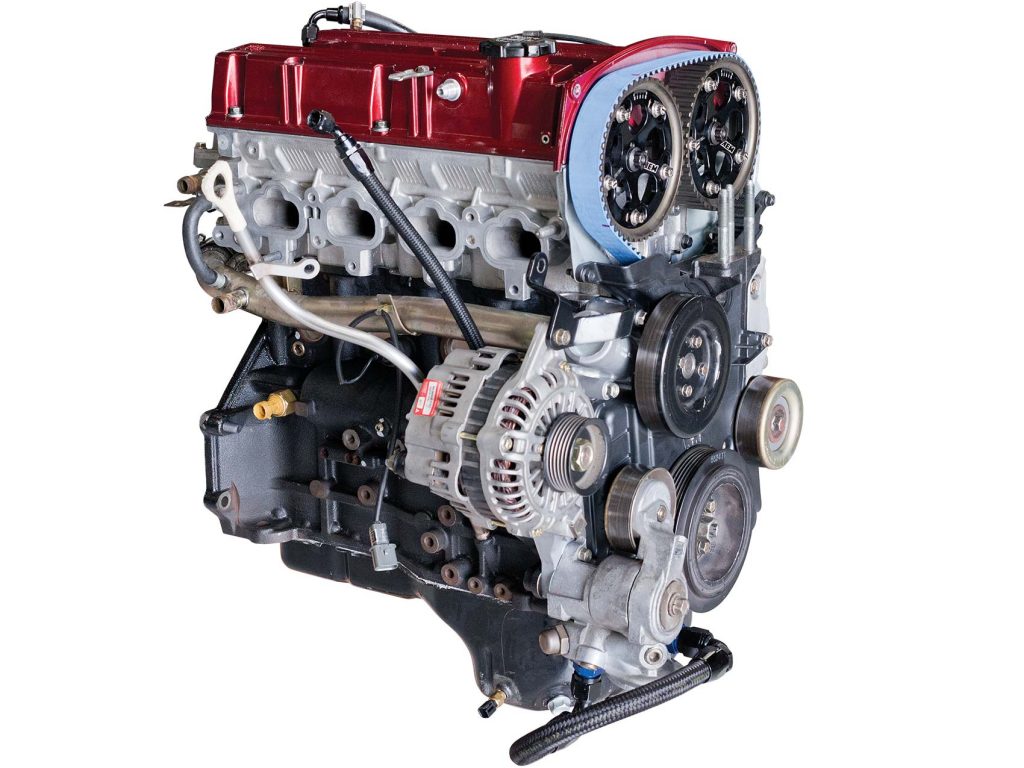
The Evolution of Automotive Engines
From steam power to electric innovation, explore how automotive engines have transformed over the decades.
From Steam to Combustion: The Early Days of Automotive Engines
The evolution of automotive engines began with the transition from steam power to internal combustion engines. Steam engines, initially used in early automobiles, relied on external combustion to produce power, but they were bulky and inefficient for personal vehicles. As the demand for more practical and efficient transportation grew, inventors and engineers sought alternatives. This led to the development of the internal combustion engine, which utilized the combustion of fuel within the engine itself to generate power. This innovation marked a significant shift in automotive technology, allowing for more compact and efficient designs. The internal combustion engine's ability to convert fuel into energy more effectively than steam engines was a game-changer, paving the way for widespread adoption in the automotive industry. This period was characterized by experimentation and innovation, setting the stage for future advancements in engine technology.
The Rise of the Internal Combustion Engine
The internal combustion engine quickly became the standard in the automotive world due to its efficiency and practicality. These engines primarily operated on gasoline or diesel, providing a reliable source of power for vehicles. The four-stroke cycle, consisting of intake, compression, power, and exhaust, became the cornerstone of engine design. This cycle improved fuel efficiency and performance, making it the preferred choice for manufacturers. Over time, innovations such as the development of carburetors and fuel injection systems further enhanced the engine's capabilities. The internal combustion engine's adaptability allowed it to power a wide range of vehicles, from compact cars to large trucks. Its versatility and effectiveness ensured its dominance in the automotive industry for many decades, with continuous improvements being made to enhance performance and reduce emissions.
The Quest for Efficiency: Turbocharging and Downsizing
As environmental concerns and fuel efficiency became increasingly important, automotive engineers began exploring ways to make engines more efficient without sacrificing performance. This led to the introduction of turbocharging, a technology that uses exhaust gases to drive a turbine, forcing more air into the engine and increasing power output. Turbocharged engines allowed manufacturers to produce smaller, more fuel-efficient engines that delivered the same or greater performance than their larger counterparts. This trend of engine downsizing gained momentum, with manufacturers focusing on optimizing power-to-weight ratios and reducing emissions. The adoption of turbocharging and downsizing reflected a broader industry shift towards sustainability and efficiency, addressing consumer demand for environmentally friendly vehicles without compromising on power and performance.
The Advent of Hybrid and Electric Engines
The push for more sustainable transportation solutions led to the development of hybrid and electric engines. Hybrid engines combine traditional internal combustion engines with electric motors, offering improved fuel efficiency and reduced emissions. These systems intelligently switch between power sources or use them simultaneously to optimize performance. Electric engines, on the other hand, eliminate the need for fossil fuels altogether, relying solely on electricity stored in batteries. Advances in battery technology have significantly extended the range and performance of electric vehicles, making them a viable alternative to traditional engines. The rise of hybrid and electric engines represents a significant shift in the automotive industry, as manufacturers and consumers increasingly prioritize environmental sustainability and energy efficiency.
The Future of Automotive Engines: Innovation and Sustainability
Looking ahead, the future of automotive engines is poised to be shaped by innovation and a commitment to sustainability. As technology continues to advance, we can expect further improvements in engine efficiency and performance. The integration of smart technologies and artificial intelligence may lead to more sophisticated engine management systems, optimizing fuel consumption and reducing emissions. Additionally, the development of alternative fuels and energy sources, such as hydrogen and biofuels, holds promise for reducing the automotive industry's environmental impact. The ongoing evolution of automotive engines reflects a broader commitment to addressing global challenges, balancing the need for mobility with environmental stewardship. As we move forward, the automotive industry will likely continue to innovate, driving progress towards a more sustainable future.