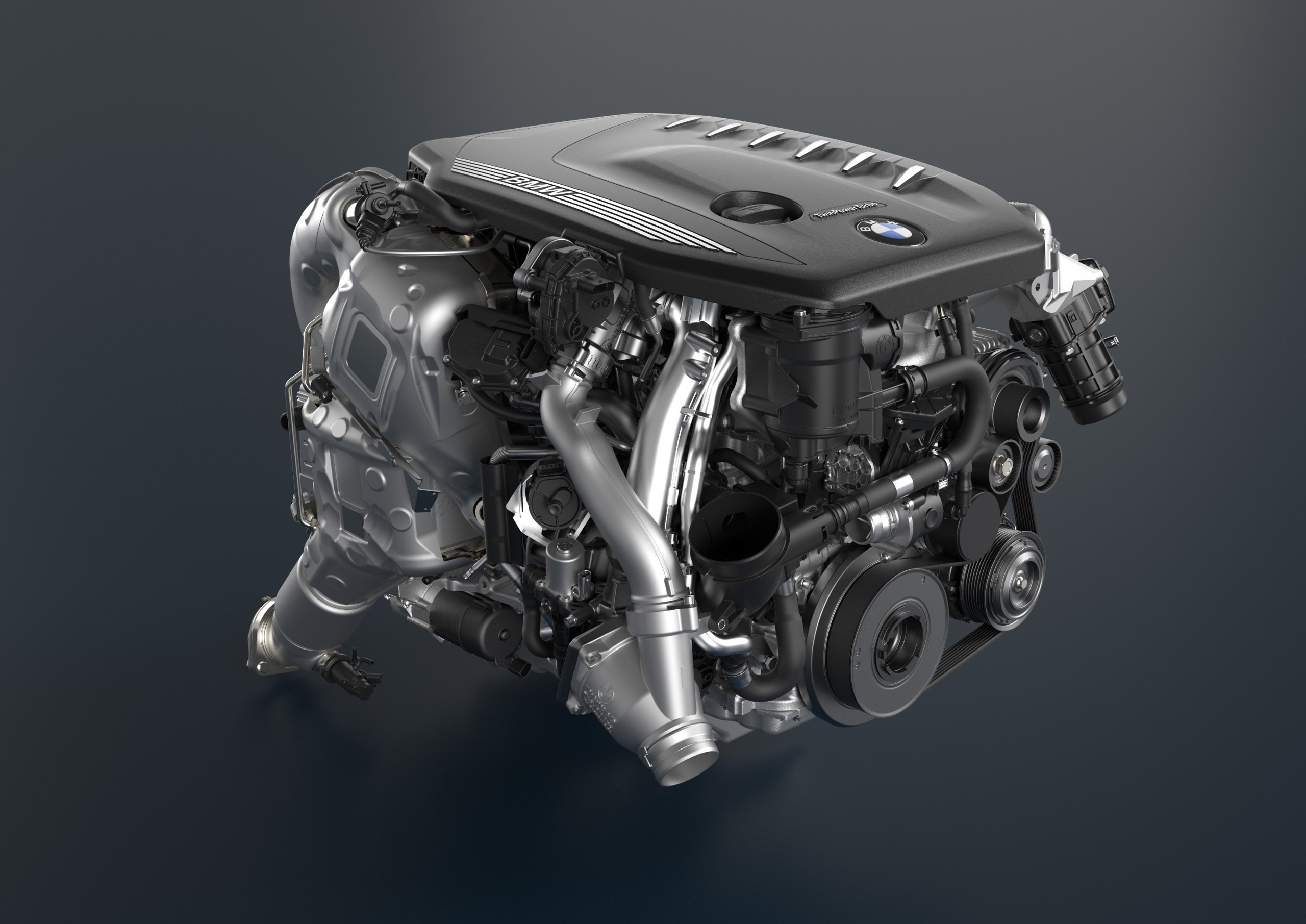
How Hybrid Motors Are Changing the Game
Hybrid motors are revolutionizing the automotive industry by offering efficiency, reduced emissions, and innovative technology.
The Rise of Hybrid Motors
Hybrid motors have steadily gained traction in the automotive industry, revolutionizing how we think about transportation. Hybrid vehicles combine a traditional internal combustion engine with an electric propulsion system, offering a blend of efficiency and performance that has appealed to both consumers and manufacturers alike. This technology has emerged as a significant stepping stone toward sustainable transportation, bridging the gap between conventional vehicles and fully electric models. The growing popularity of hybrids is fueled by increasing environmental awareness and the push for reduced emissions, making them an attractive option for eco-conscious drivers. As more manufacturers invest in hybrid technology, the market continues to expand, offering a wider range of choices to consumers.
Fuel Efficiency and Cost Savings
One of the most compelling benefits of hybrid motors is their enhanced fuel efficiency. By utilizing both gasoline and electricity, hybrid vehicles can significantly reduce fuel consumption, leading to substantial cost savings over time. This dual-engine system allows hybrids to switch between power sources or use them simultaneously, optimizing energy usage based on driving conditions. For city drivers who often face stop-and-go traffic, hybrids offer the advantage of running on electric power at lower speeds, further conserving fuel. This efficiency translates into fewer trips to the gas station and lower overall fuel expenses, making hybrids an economical choice for many consumers.
Environmental Impact and Sustainability
Hybrid motors play a crucial role in reducing the environmental impact of transportation. By emitting fewer greenhouse gases compared to traditional vehicles, hybrids contribute to cleaner air and a healthier planet. This reduction in emissions is particularly important in urban areas, where air quality is often compromised by high traffic volumes. As governments and organizations worldwide implement stricter environmental regulations, hybrid vehicles are positioned as a practical solution for meeting these standards. Additionally, the gradual transition to hybrid technology helps ease the shift towards fully electric vehicles, promoting long-term sustainability in the automotive industry.
Technological Innovations
The development of hybrid motors has spurred numerous technological innovations in the automotive sector. Advances in battery technology, for instance, have led to improved energy storage and faster charging times, enhancing the overall performance of hybrid vehicles. Regenerative braking systems, which capture and store energy typically lost during braking, are another innovation that boosts efficiency. These technologies not only improve the driving experience but also contribute to the longevity and reliability of hybrid vehicles. As research and development continue, we can expect further breakthroughs that will make hybrids even more appealing to consumers.
Market Trends and Consumer Preferences
The demand for hybrid vehicles reflects broader market trends and evolving consumer preferences. As awareness of environmental issues grows, more consumers are seeking out vehicles that align with their values. The versatility and performance of hybrids appeal to a diverse range of drivers, from eco-conscious urban commuters to those seeking a balance between power and efficiency. Automakers are responding by expanding their hybrid offerings, incorporating the latest technologies and design features to attract buyers. This competitive landscape drives innovation, ultimately benefiting consumers with more choices and better products.
The Future of Hybrid Technology
The future of hybrid motors looks promising, as they continue to shape the automotive landscape. With ongoing advancements in technology and increasing consumer interest, hybrids are set to play a significant role in the transition towards more sustainable transportation solutions. As infrastructure for electric vehicles improves, hybrids will likely serve as a bridge, offering a practical alternative while the industry adapts to new demands. As we move forward, the continued evolution of hybrid technology will not only enhance vehicle performance but also contribute to a cleaner, more sustainable future for transportation.